Beach Rock: The Stylish Script for Modern Design
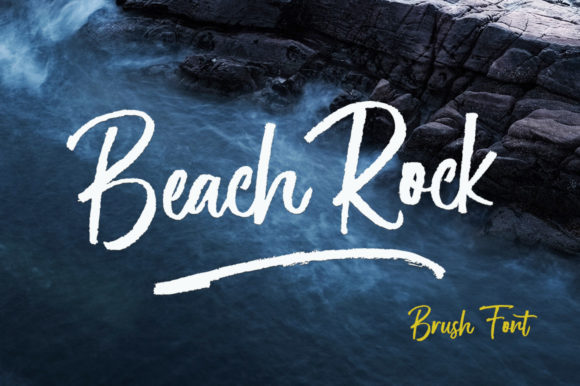
In the crowded digital landscape, a single font choice can be the difference between forgettable and fantastic. For designers and creators seeking a touch of authentic, handcrafted elegance, Beach Rock emerges as a compelling solution. This stylish, brushed script font captures a relaxed yet sophisticated vibe, making it a versatile tool for elevating a wide range of creative projects. Its flowing letterforms and natural texture provide an immediate sense of personality and warmth, crucial for building memorable visual communication.
At its core, typography is about voice and tone. The right typeface doesn't just present words; it conveys emotion, establishes context, and guides the viewer's eye. A script font like Beach Rock excels in injecting a human, artisanal quality into designs. This is particularly valuable in an era where audiences crave authenticity and connection. Whether used sparingly for a headline or as a central element of a logo, it helps brands and projects stand out with a distinctive, modern aesthetic that feels both personal and polished.
Practical Applications Across Creative Projects
The true strength of a font like Beach Rock lies in its adaptability. Its PUA encoding is a significant practical advantage, granting easy access to all glyphs and swashes. This allows for intricate customization and flourishes without the need for advanced software skills, streamlining the design workflow. Consider its impact across these common creative domains:
- Branding and Logo Design: Create a unique wordmark that feels approachable and stylish, perfect for lifestyle brands, boutiques, cafés, or creative studios. The script style helps a logo tell a story from the first glance.
- Marketing and Social Media Graphics: Use Beach Rock for eye-catching headers on blog posts, promotional ads, or Instagram stories. Its visual appeal increases engagement, making content more shareable and memorable in fast-scrolling feeds.
- Editorial and Web Design: Apply it to subheadlines, pull quotes, or call-to-action buttons in magazines, lookbooks, or website hero sections. It adds a layer of sophistication and helps establish a clear visual hierarchy, guiding readers through the content.
- Packaging and Print Design: Elevate product labels, invitation suites, greeting cards, and wedding stationery. The brushed texture of the font translates beautifully to physical materials, enhancing the tactile experience and overall brand perception.
Integrating Script Fonts with a Cohesive Design System
While a distinctive font is powerful, its effectiveness depends on thoughtful integration. To ensure Beach Rock enhances rather than overwhelms your design, consider these principles of professional typography and visual design:
- Pair for Contrast and Balance: Script fonts are best used as accent typefaces. Pair Beach Rock with a clean, neutral sans-serif or a classic serif for body text. This contrast creates a dynamic and readable layout, ensuring the script's personality shines without sacrificing legibility.
- Use with Purpose: Apply the font strategically to key elements—headlines, names, or short phrases—where its expressive nature can have the most impact. Avoid setting large blocks of body copy in script, as this can hinder readability, especially in digital UI design.
- Consider Your Audience and Context: Ensure the font's style aligns with your brand identity and the expectations of your target audience. Its casual elegance suits creative, lifestyle, and premium consumer brands perfectly, but may be less appropriate for formal corporate or legal communications.
- Test for Scalability: Always preview your designs at various sizes, from a small social media icon to a large poster. Check that the fine details of the swashes remain clear and impactful across different scales and mediums, a key factor in professional presentation.
Ultimately, the tools you choose are fundamental to the quality of your visual output. Selecting a thoughtfully crafted asset like Beach Rock is an investment in your project's aesthetic and communicative power. By combining such distinctive creative assets with a solid understanding of design principles—consistency, hierarchy, and audience alignment—you can transform good ideas into great designs that resonate deeply and achieve their intended goals.