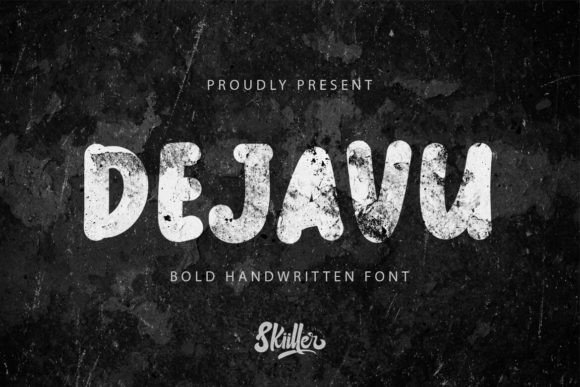
Dejavu: A Handwritten Font for Creative Joy
There's a certain magic in typography that feels both familiar and excitingly new, capturing a moment of pure creative potential. For designers seeking to inject warmth, personality, and a touch of playful authenticity into their work, the right typeface is not just a tool—it's the heart of the visual story. This is where Dejavu, a charming handwritten font, steps into the spotlight, offering a solution that bridges the gap between professional polish and heartfelt expression.
Understanding the Visual Power of Dejavu
Dejavu is more than just a set of letters; it's a design asset crafted to evoke specific emotions. Its hand-lettered style carries the imperfect, organic lines of genuine human touch, which is a powerful trend in modern graphic design. In an era dominated by sleek, digital interfaces, this font provides a necessary counterbalance, fostering an immediate sense of approachability and nostalgia. It plays a crucial role in visual communication by softening corporate edges and making messages feel more personal and engaging, directly impacting user engagement and brand perception.
Practical Applications for Impactful Design
The versatility of a handwritten font like Dejavu makes it a valuable component in any designer's toolkit. Its application spans numerous creative projects, each benefiting from its unique aesthetic.
- Branding and Logo Design: It excels for brands that want to appear friendly, artisanal, or community-focused. A logo design using Dejavu can instantly communicate a brand's personality, making it perfect for bakeries, boutique shops, children's brands, or lifestyle blogs.
- Marketing and Social Media: In digital marketing, attention is scarce. Dejavu helps create standout social media graphics, quote images, and promotional materials that feel authentic and shareable. Its informal style can break through the noise of generic advertising.
- Packaging and Editorial Design: For packaging design, especially for products targeting a youthful or creative audience, it adds shelf appeal. In editorial design, it's ideal for pull quotes, subheadings, or magazine features that require a conversational tone.
- Digital Products and Events: Use it for designing invitations for children's parties, cute greeting cards, or fun digital products like planners and worksheets. Its playful nature enhances the user experience in these contexts.
Integrating Dejavu into Your Design Workflow
Successfully incorporating a font like Dejavu requires thoughtful consideration of visual hierarchy and readability. It's rarely suitable for long body text but shines for headlines, call-to-action buttons, or accent text. Always pair it with a clean, simple sans-serif or serif font for body copy to ensure clarity and maintain a professional presentation.
When evaluating its use, consider your color palette. Dejavu pairs beautifully with soft pastels for a cute, gentle vibe, or with bold, contrasting colors for more energetic, fun-related projects. Ensure the font's style aligns with your overall brand identity and the expectations of your target audience. Scalability is also key; test it at various sizes to ensure the charming details remain clear in both web design and print design applications.
Elevating Projects with Thoughtful Typography
The choice of typography is a fundamental pillar of visual design that directly influences UX design. A font like Dejavu contributes to a polished and professional result not by being perfect, but by being intentionally expressive. It demonstrates an understanding of modern aesthetics that value authenticity and emotional connection. When used strategically, it can guide the viewer's eye, create focal points, and inject the exact mood your project requires—be it whimsical, nostalgic, or joyfully informal.
In the landscape of creative assets, quality resources like Dejavu streamline the design workflow, allowing creators to focus on composition and concept. By making informed, thoughtful choices about every element, from font selection to image style, you transform a simple layout into a compelling narrative. Ultimately, investing in high-quality, purpose-driven design elements is an investment in clearer communication, stronger branding, and more memorable creative work.