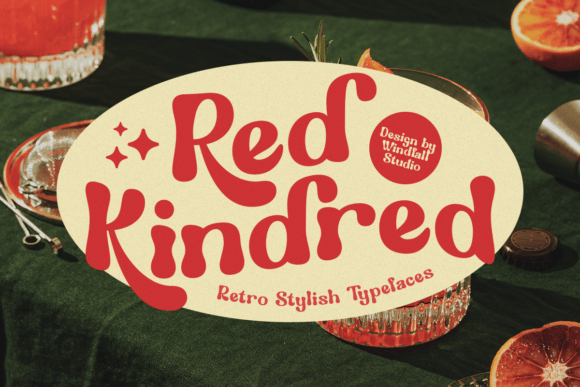
Red Kindred: A Retro-Inspired Typeface for Modern Design
Finding a typeface that bridges vintage charm and contemporary clarity can transform a design project from ordinary to unforgettable. Red Kindred is precisely that kind of creative asset—a vibrant, retro-inspired font that delivers a bold, stylish character for a wide range of applications. Its funky art deco influence and elegant cursive flair make it a versatile tool for graphic designers seeking to inject personality and sophistication into their work.
Understanding the Visual Impact of Red Kindred
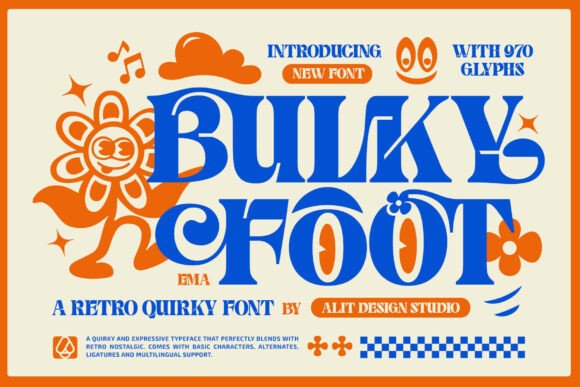
At its core, Red Kindred is a study in balanced contrasts. It draws from the luxurious details of Art Nouveau and the bold flourishes of psychedelic culture, yet it maintains a futuristic edge reminiscent of classic modernist fonts like Futura and Helvetica. This unique blend allows it to feel both nostalgic and forward-thinking. The font’s thin lines and modern minimal aesthetic ensure it doesn’t overwhelm a layout, while its premium, cinematic feel adds a layer of polish. For designers, this means a single typeface can adapt to evoke love and warmth in nature-themed projects or deliver sleek professionalism in corporate branding.
Practical Applications in Your Design Workflow
The true value of a typeface like Red Kindred lies in its application across diverse creative projects. Its inherent versatility supports consistent brand identity across multiple touchpoints, which is crucial for effective visual communication.
- Branding and Logo Design: Its distinctive character helps create memorable logos and brand marks that stand out in a crowded market.
- Marketing and Social Media Graphics: Use it for eye-catching headlines on posters, flyers, and social media content to boost engagement and convey a specific mood, whether it’s a tropical summer vibe or a fancy event invitation.
- Digital and Web Design: When used for UI headings or hero sections, it can enhance visual hierarchy and user experience with its clear, stylish presence.
- Editorial and Packaging Design: The font adds a touch of elegance to magazine layouts, book titles, and product packaging, helping to tell a story and attract the target audience.
Tips for Effective Typography Selection and Use
Choosing a font is more than picking a style you like; it’s a strategic decision that affects readability, scalability, and overall design cohesion. When evaluating a typeface like Red Kindred, consider these practical factors:
- Audience and Context: Ensure the font’s personality aligns with your project’s goals and your audience’s expectations. A retro font works well for a vintage-themed campaign but might feel out of place in a conservative financial report.
- Visual Hierarchy and Readability: Use Red Kindred primarily for display purposes—headlines, titles, and short accents. Pair it with a clean, neutral sans-serif or serif font for body text to maintain readability and establish a clear hierarchy.
- Consistency and Compatibility: Test how the font interacts with your existing color palette, imagery, and other design elements. A typeface should integrate seamlessly into your broader brand system to maintain a professional presentation.
Modern design trends often favor minimalism with a twist of personality, and that’s where a font with character shines. Its OpenType features, which automatically adjust spacing, can streamline your design workflow by eliminating manual kerning adjustments, letting you focus on the bigger creative picture.
Ultimately, thoughtful typography is a cornerstone of powerful design. Selecting quality creative assets like a well-crafted typeface isn’t just about aesthetics; it’s about enhancing communication, building trust, and creating a cohesive visual language. By choosing tools that offer both style and substance, you empower your designs to resonate more deeply, ensuring your message is not only seen but also felt.