Rubbero: The Condensed Font for Authentic Design
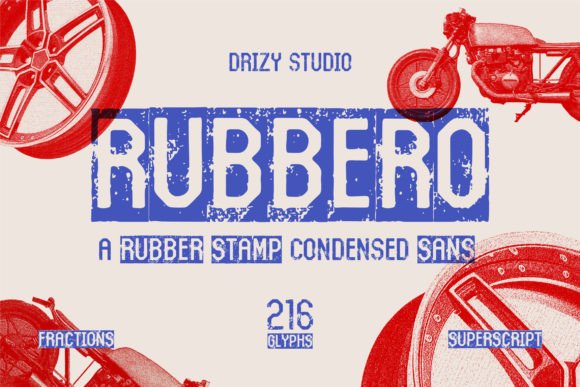
In a digital landscape saturated with clean, minimalist typography, a font that evokes tangible authenticity can be a powerful differentiator. Rubbero is precisely that—a condensed typeface inspired by the imperfect, textured impression of a rubber stamp. This design choice is far from arbitrary; it taps directly into a growing desire for visual communication that feels human, crafted, and full of character.
Understanding Rubbero's Design Appeal
At its core, Rubbero is a study in controlled impact. Its condensed form allows for maximum information density in minimal space, making it exceptionally practical for headlines, banners, and logos where real estate is limited. But its true magic lies in its aesthetic. The slightly uneven edges and implied texture suggest a hands-on process, infusing designs with a sense of nostalgia and artisanal quality. This isn't just a font; it's a visual shortcut to authenticity and warmth, helping brands and projects stand out with a distinct personality.
Practical Applications Across Design Disciplines
The versatility of a typeface like Rubbero is one of its greatest strengths. Its unique character can elevate a wide array of creative projects, bridging the gap between digital precision and analog charm. Consider its potential in these key areas:
- Branding and Logo Design: For brands in the artisan food, craft brewery, outdoor adventure, or boutique retail space, Rubbero can form the cornerstone of a memorable logo. It instantly communicates craftsmanship, durability, and a down-to-earth ethos.
- Marketing and Social Media Graphics: On platforms where scroll-stopping power is paramount, Rubbero’s bold, textured appearance cuts through the noise. It’s ideal for promotional banners, event posters, and social media posts that need to convey urgency, heritage, or a handmade feel.
- Packaging Design: On physical products, the font’s stamp-like quality can enhance shelf appeal. It works beautifully for product names, labels, and call-outs on everything from coffee bags to cosmetic tubes, adding a layer of tactile suggestion.
- Editorial and Web Design: Used sparingly for pull quotes, section headers, or navigation elements in editorial layouts or on websites, Rubbero can add a striking visual accent, breaking the monotony of standard body text and guiding the reader’s eye.
Integrating Rubbero into Your Design Workflow
Effective use of a display font like Rubbero requires thoughtful integration. It should not be used for long paragraphs of body copy due to its stylistic nature. Instead, pair it with a highly legible, neutral sans-serif or serif font for body text to create a clear visual hierarchy. Consider its interaction with your color palette; a muted, earthy scheme will enhance its vintage appeal, while a bold, contrasting palette can make it feel more contemporary and edgy.
When evaluating any creative asset, including a font, ask: Does it align with my target audience’s expectations? Does it support the core message? Is it scalable and readable across the intended mediums? Rubbero excels when the goal is to inject personality and a tangible quality into a design system, making it a valuable tool in a designer’s arsenal for specific, impactful applications.
Ultimately, the tools we choose define the language of our designs. Selecting a typeface with a strong, intentional character like Rubbero is a strategic decision that goes beyond mere aesthetics. It’s about choosing a voice for your visual communication—one that speaks of authenticity, impact, and a carefully considered brand identity. In the endless pursuit of professional presentation and effective user engagement, such thoughtful choices in typography and creative assets are what transform good design into great communication.