Summer Fruits: A Fresh Take on Handwritten Typography
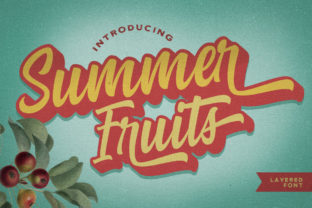
Every designer knows the challenge of finding a typeface that feels both fresh and familiar, one that injects personality without sacrificing readability. Enter Summer Fruits, a handwritten font that draws inspiration from classic typography while carving out its own distinct, contemporary style. It’s a creative asset designed to make your headlines pop and your text blocks feel approachable, offering a versatile solution for a wide range of visual design projects.
Understanding the Appeal of Handwritten Fonts in Modern Design
In an era of polished sans-serifs and geometric fonts, handwritten typefaces like Summer Fruits serve a crucial role. They break the visual monotony, adding a human touch that fosters connection and authenticity. This font isn't just about mimicking handwriting; it's about translating the energy and fluidity of hand-lettering into a usable digital format. Its character lies in its controlled variations, ensuring that it maintains a cohesive look whether used for a short headline or a longer block of text, which is a common pitfall for many script fonts.
Practical Applications Across Creative Projects
The true test of any design asset is its real-world application. Summer Fruits is engineered for versatility, making it a valuable tool in your design workflow. Its strength lies in its ability to adapt to different contexts while maintaining a consistent, engaging voice. Consider these practical uses:
- Branding and Logo Design: For brands targeting a youthful, creative, or artisanal market, this font can become a cornerstone of a memorable brand identity. It works beautifully for logotypes, especially for cafes, boutiques, lifestyle blogs, or event planners.
- Marketing and Social Media Graphics: Capture attention in crowded feeds. Summer Fruits is ideal for Instagram quotes, Facebook ad headlines, and email newsletter banners, where a personal, eye-catching style can significantly boost engagement.
- Web and UI Design: Use it strategically for hero section headers, call-to-action buttons, or featured article titles on a website. It adds warmth to UI design without compromising the overall user experience when paired with a clean, readable body font.
- Packaging and Editorial Design: On product packaging, it conveys handmade quality. In magazine layouts or book covers, it can create striking pull quotes or chapter headings that guide the reader's eye through the visual hierarchy.
Tips for Effective Typography Integration
Integrating a distinctive font like Summer Fruits requires a thoughtful approach to ensure it enhances, rather than overwhelms, your design. First, consider your audience and design goals. A playful, handwritten style is perfect for a children's brand but might feel out of place on a corporate financial report. Always prioritize readability, especially for smaller text sizes.
Pairing is key. Summer Fruits likely pairs best with simple, neutral sans-serif or serif fonts for body copy, creating a balanced visual hierarchy. Test it across different mediums—what looks spectacular on a printed poster might need slight adjustments for web design to ensure screen legibility. Finally, use it with intention. Reserve it for elements where you want to inject personality and draw focus, ensuring consistency across your brand's touchpoints for a professional presentation.
Choosing the right creative assets is a fundamental part of the design process. A well-crafted font like Summer Fruits does more than just display words; it communicates mood, builds character, and strengthens the overall aesthetic of your project. By making deliberate, informed choices about typography and other visual elements, you elevate your work from merely functional to truly resonant, ensuring your message is not only seen but felt.