Rough Dream: The Bold Varsity Font for Impactful Design
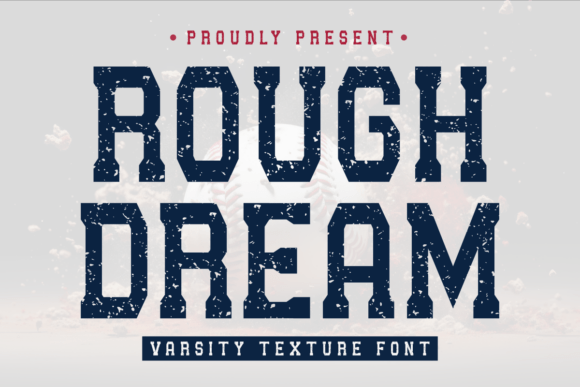
Every designer knows the struggle of finding a typeface that carries the weight of a story, one that speaks of tradition, grit, and undeniable presence. Enter Rough Dream, a bold varsity-style font that transcends simple text to become a powerful visual statement. This isn't just another display font; it's a creative asset engineered for projects demanding strength and nostalgia, offering a textured, athletic aesthetic that resonates deeply with contemporary audiences.
Understanding the Anatomy of Rough Dream
At its core, Rough Dream is a masterclass in typographic texture and form. Inspired by classic sports lettering and vintage athletic designs, it features a distressed, worn-in appearance that instantly adds authenticity to any composition. This gritty texture is more than just a stylistic choice; it serves a functional purpose in visual design by creating immediate depth and character. For graphic designers and brand strategists, this font solves a common problem: how to inject a tough, competitive edge into digital and print media without relying on overused generic styles.
Why Texture Matters in Modern Branding
In an era dominated by clean, minimalist UI design and polished digital interfaces, the introduction of tactile elements like Rough Dream creates a necessary contrast. It appeals to the viewer’s sense of touch and history. When applied to a brand identity, it suggests durability, legacy, and resilience. This makes it particularly effective for brands looking to establish an emotional connection that feels grounded and real, rather than sterile or overly corporate.
Practical Applications Across Creative Projects
The versatility of Rough Dream allows it to shine across a multitude of design workflows. Its bold structure ensures readability even at smaller sizes, while its texture makes it a standout choice for large-scale visual hierarchy. Here are key areas where this typeface excels:
- Sports and Team Branding: From baseball jerseys to football helmets, Rough Dream captures the spirit of the game. It is perfect for team logos, mascot wordmarks, and locker room murals.
- Event Marketing and Posters: Whether promoting a local 5K run, a college homecoming, or a motivational seminar, the font commands attention on posters and flyers.
- Merchandise and Apparel: The distressed look translates exceptionally well to screen printing and embroidery on hoodies, caps, and bags, giving merchandise a vintage, "lived-in" feel that customers love.
- Digital Marketing and Social Media: In the fast-scrolling environment of social media graphics, bold typography stops the thumb. Use Rough Dream for hero images, YouTube thumbnails, and Instagram stories to drive engagement.
- Packaging Design: For products aiming for an artisanal or rugged appeal—such as craft beverages, energy bars, or outdoor gear—this font reinforces product quality through visual storytelling.
Integrating Rough Dream into Your Design Workflow
Successfully incorporating a display font like Rough Dream requires more than just selection; it demands strategic implementation. To maximize its impact, consider the following design principles:
Visual Hierarchy and Pairing
Because Rough Dream is a high-impact display font, it should generally be reserved for headlines, sub-headers, and logos. To maintain a polished, professional presentation, pair it with a clean, sans-serif font for body copy. This contrast ensures that the textured headlines stand out without overwhelming the reader, preserving excellent readability and user experience (UX).
Color Palette and Composition
The gritty texture of the font interacts uniquely with color. High-contrast color palettes—such as classic black and white, or deep navy and gold—enhance its vintage athletic aesthetic. When selecting colors, consider how the distressed edges of the letters will blend with the background. A solid, flat background often works best to let the typography be the hero of the design.
Scalability and Technical Execution
When working with textured typography, always test scalability. Ensure that the grit and grain of the font remain clear when scaled down for mobile UI design or scaled up for large-format print design. Vector formats are ideal, allowing the texture to remain sharp regardless of the medium, ensuring your creative assets look flawless on everything from a business card to a stadium banner.
Ultimately, the power of a design lies in its ability to communicate a specific feeling instantly. By choosing assets that align with the project's narrative—like the bold, nostalgic strength of Rough Dream—designers can elevate their work from merely visual to truly visceral. Thoughtful typography choices are the bridge between a brand’s message and its audience, proving that the right font does more than display words; it creates an experience.